Ask three drivers in Kannapolis what a transmission fluid service does and you will hear three levels of hope: it keeps the transmission healthy, it makes shifts smoother, or it will fix the slip that started last month. The first is true. The second is sometimes true. The third is where money gets wasted, because fluid service is maintenance, and maintenance prevents wear rather than reversing it.
Rather than argue the point in the abstract, work the checklist. It takes the transmission's vital signs in a fixed order, and the pattern of passes and fails tells you whether your car needs fluid, needs diagnosis, or needs a frank conversation about repairs.
What fresh fluid actually does
Automatic transmission fluid is coolant, lubricant, and hydraulic fluid in one. It carries heat to the cooler, keeps clutch plates and gears separated by a working film, and transmits the pressure that applies each gear. Heat and time degrade it: additives deplete, the fluid oxidizes and darkens, and microscopic clutch material loads it up. Replacing degraded fluid restores those properties while the transmission's hard parts are still healthy. That is a genuinely valuable service, and transmissions that get it on schedule routinely outlast ones that never do. What it cannot do is put friction material back on worn clutches or un-warp a damaged component.
Fluid service or full diagnosis: the checklist
- Shifts are clean and consistent: Pass. No slip, flare, or harsh engagement hot or cold. Routine fluid service on schedule is the right call.
- Fluid is red to light brown, no burnt smell: Pass. The fluid is aging normally and a service at the manual's interval keeps it that way.
- Fluid is dark and smells burnt: Caution. The transmission has run hot. A service may still help, but the cause of the heat needs finding first.
- Engagement into drive or reverse is delayed: Fail. Delayed engagement points to wear or pressure problems that fluid alone rarely cures. Diagnose first.
- The transmission slips or revs between gears: Fail. Slipping is mechanical wear announcing itself. A fluid service is not the repair, and a shop should tell you so.
- Metal flakes or chunks appear in the pan: Fail. Fine gray dust on the magnet is normal wear. Flakes and chunks mean parts are coming apart.
- No service record and high mileage: Caution. Proceed with a technician's judgment, often a pan service and inspection before any full fluid exchange.

The three services behind one name
Part of the confusion is that "fluid service" describes different jobs. A drain and fill swaps the portion of fluid that drains from the pan, often a third to a half of the total, and is the gentlest option. A pan service adds a filter change where the filter is serviceable and a look inside the pan, which is diagnostic gold: the magnet and pan floor show what the transmission is shedding. A fluid exchange replaces most of the fluid at once through the cooler lines. For a maintained transmission in Kannapolis, any of the three, done at the interval in your owner's manual, does the maintenance job. For a neglected one, the pan service earns its place because it answers questions before it spends your money.
The honest conversation about slipping
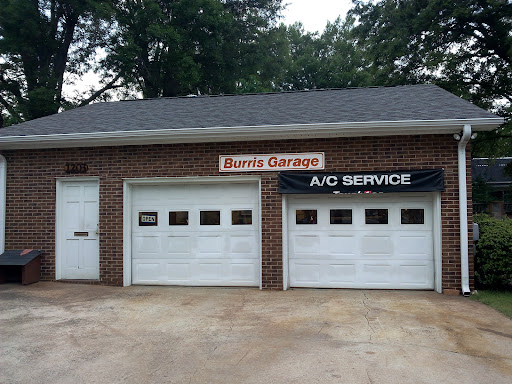
If your transmission already slips, shudders, or misses gears, what you need first is diagnostics, the kind of work Burris Garage lists simply as diagnostics and estimates. A technician will road test, read codes and live data, check fluid level and condition, and inspect the pan if the picture stays unclear. Sometimes the fix is external and moderate: a solenoid, a sensor, a leak that dropped the level. Sometimes it is internal wear, and then the choices are repair, rebuild, or replacement, none of which a fluid change substitutes for. A shop that sells you fluid as the cure for a slipping transmission is selling you a delay, and delays in transmission work rarely make the eventual bill smaller.
Special cases: CVTs and sealed units
Continuously variable transmissions are pickier than conventional automatics. They require their exact specified fluid, they often have shorter service intervals, and the wrong fluid can cause damage quickly. Many newer transmissions of all types are sealed, with no dipstick for the owner, which moves the fluid check into the shop where level is set at a specified temperature. Sealed does not mean lifetime, whatever the marketing suggested. It means the service needs a lift and a procedure. If your manual uses phrases like "inspect and replace if necessary," ask a shop what interval they recommend for Piedmont driving, where summer heat and hill country trips west of Kannapolis work fluid harder than the national average assumes.
Common questions
My transmission shifts fine. Is fluid service still worth it?
Yes, that is exactly when it is worth it. Fluid service protects a healthy transmission. Waiting until symptoms appear means waiting until the service can no longer do its main job.
Can changing old fluid cause problems on a high-mileage car?
The concern is real but often overstated. On a neglected transmission, a technician may choose a gradual drain and fill over a full exchange and inspect the pan first. The judgment call belongs to someone who has seen the fluid.
How often should transmission fluid be changed?
Follow your owner's manual. Many manufacturers specify somewhere between 30,000 and 60,000 miles under severe service schedules, and local driving with heat, hills, and short trips often qualifies as severe.
Photos in this guide are representative stock images.
← All guides from Burris Garage← Back to Burris Garage