Open the hood on most modern cars and one long belt snakes around pulley after pulley at the front of the engine. That is the serpentine belt, named for the path, and it is doing the work that used to take three or four separate belts. The alternator, the power steering pump on many models, the air conditioning compressor, and often the water pump all take their power from this single belt. Which means when it lets go, several systems stop at once.
The belt is a wear item with a long, quiet life and an abrupt ending. The good news for Kannapolis drivers is that its decline is visible if you know where to look, and this guide covers the looking.
What it drives, and what stops when it fails
Follow the belt's route. The crankshaft pulley drives it. The alternator needs it to charge the battery, so a failed belt brings the battery warning light within minutes and a dead car not long after. The A/C compressor needs it, so the air goes warm. Hydraulic power steering, where fitted, goes heavy instantly. On engines where the belt drives the water pump, the temperature gauge starts climbing, and that is the failure that can hurt the engine itself. A broken belt can also flail and damage nearby hoses or wiring on its way out. In short, this is a strand-you-now part, not a drive-it-home part, with one exception: if everything it drives on your car is electrical backup, which is rare, a very short gentle trip may be possible. Know your car before you count on it.
- Locate the belt. With the engine off and cool, find the wide, ribbed belt at the front of the engine. A routing diagram sticker usually sits nearby under the hood.
- Read the ribs. Turn the belt gently where you can reach it, or inspect with a flashlight. Cracks across the ribs, frayed edges, glazing that looks shiny, or missing rib chunks all say the belt is due.
- Check for contamination. Oil or coolant on the belt means a leak is shortening its life, and a new belt on an oily pulley will squeak and die early. Find the leak first.
- Press for tension. The belt should feel firm, held by a spring tensioner. A belt you can deflect easily, or a tensioner pulley that wobbles or chirps, needs professional eyes.
- Listen at cold start. A squeal for the first seconds after starting, worse on damp mornings, is the classic early warning. Note whether it fades as the engine warms.
- Stop your DIY here. Releasing the tensioner and routing a new belt is doable for experienced home mechanics with the diagram, but a belt installed a rib off, or a worn tensioner left in place, fails fast. Most drivers should hand it to a shop at this point.
Why belts squeak
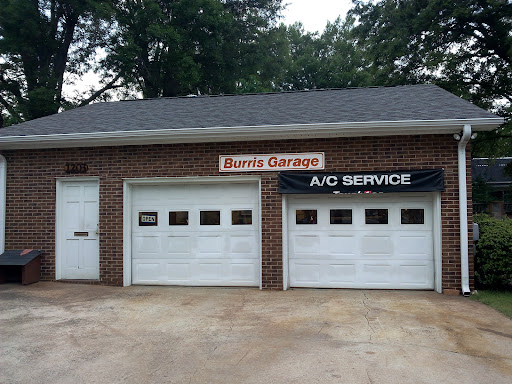
A squeak is the belt slipping or a pulley complaining, and the causes separate into belt problems and hardware problems. A worn, glazed belt slips under load, especially when the A/C kicks on or the steering hits full lock. A failing tensioner lets the belt run slack. A pulley bearing going dry chirps in rhythm. And misalignment, sometimes from a replaced accessory sitting slightly off plane, makes a belt chirp no matter how new it is. Belt dressing sprays quiet the noise briefly while making the diagnosis harder and the mess worse. At Burris Garage, as at most shops, the squeak gets diagnosed before the belt gets replaced, because a new belt on a bad tensioner just gives you a new belt making the same sound.
How long a belt lasts
Modern belts made from EPDM rubber commonly last 60,000 to 100,000 miles, and they wear differently from older belts: instead of cracking dramatically, they lose rib material gradually, like a tire losing tread, until they slip. That is why mileage and a rib-depth check matter more than a glance for cracks. A belt that has lived through a decade of Piedmont summers, heat cycling in a closed engine bay, deserves replacement on age and measurement rather than optimism. When the belt comes off for other work, replacing it at the same time is usually sensible, since the labor overlaps almost entirely.

The two-minute habit
Once or twice a year, engine off, flashlight in hand, give the belt thirty seconds: ribs, edges, sheen, and a firm press. Do it when you check your oil and it stops being a chore. That small habit converts the most abrupt common breakdown in the engine bay into a planned, modest repair, which is the whole point of knowing what the belt does in the first place.
Common questions
Can I drive with a squeaky belt?
Usually for a while, since squeak is an early warning rather than a failure. But the squeak means slip or wear has started, so schedule the diagnosis. A belt that squeals and then goes quiet may have simply finished breaking in, or thrown a rib.
What happens if the belt breaks while driving?
Expect the battery light, heavy steering on hydraulic systems, warm A/C, and possibly rising engine temperature. Pull over safely and shut down, especially if the temperature climbs. Driving on invites the expensive damage.
Should the tensioner be replaced with the belt?
Often, yes. The tensioner and idler pulleys wear on a similar schedule to the belt, and a tired tensioner will shorten a new belt's life. Many shops recommend a belt kit for exactly this reason.
Photos in this guide are representative stock images.
← All guides from Burris Garage← Back to Burris Garage