Somewhere between the written estimate and the drive home, a lot of drivers in Kannapolis have the same thought: I want another shop to look at this, but I do not want a scene. Good news first. Getting a second opinion on car repair is normal, common, and expected by every professional in the trade. The awkwardness is almost entirely in your head, and a little preparation makes the whole errand smooth.
This walkthrough is for the driver doing it for the first time: what to bring, what to say, what to ask, and how to read the second estimate when it lands.
Why second opinions exist at all
Two honest technicians can look at the same car and write different estimates, because diagnosis involves judgment. One may recommend replacing a part that another would monitor. One shop may price a repair with a full assembly where another replaces a component. And occasionally, an estimate is simply wrong, or padded, which is the case everyone worries about. A second opinion sorts these apart. It either confirms the first diagnosis, which is valuable peace of mind on a big job, or it reframes the work into urgent and watch-list items, which is often where the real savings live.
- Get the first estimate in writing. Not a verbal number, a line-item estimate naming the parts, the labor, and the diagnosis behind it. Shops expect this request and it obligates you to nothing.
- Ask what is urgent and what can wait. A good first answer already separates safety items from watch-list items. Write down what they say, in their words.
- Book the second shop for diagnostics. Say plainly that you are getting a second opinion and will bring the written estimate. You will pay a diagnostic fee at the second shop; that fee buys independence.
- Let the second shop look before they read. Ask them to inspect and form their own view first, then compare against the first estimate line by line.
- Compare scope, not just totals. Two estimates rarely cover identical work. Line up which parts, which brands, and what warranty each includes before comparing the bottom lines.
- Decide, then tell both shops. A short, courteous call to the shop you did not choose closes the loop and keeps the door open for future work.
What to say, word for word if it helps
At the first shop: "Thanks for the diagnosis. I would like the estimate in writing, and I am going to sit with it before I decide." That is a complete sentence that no professional resents. At the second shop: "Another shop quoted this work. I would like your own diagnosis first, and then your honest take on their list." Framing it this way matters. If you walk in asking only whether the other price is fair, you are shopping for a number. If you ask for an independent diagnosis, you are shopping for the truth, and shops like Burris Garage that do diagnostics and estimates all day can tell the difference immediately.
Signs each shop is treating you straight
Straight shops explain the diagnosis in plain terms and can show you the failed part or the test that proved it. They separate must-do from should-watch without being asked twice. They put the warranty in writing and do not pressure you with a today-only price. Warning signs run the other way: an estimate that grows when you hesitate, a refusal to itemize, or a warning that the car is unsafe to drive paired with no willingness to show you why. One disagreement between two shops is not proof that either is dishonest, by the way. It is proof that the job involved judgment, which is why you went.
After the second opinion lands
If both shops agree on the diagnosis and differ modestly on price, choose on warranty, convenience, and how well each explained the work. If they disagree sharply, the tiebreaker is evidence: which shop can show you the worn part, the leak, or the test reading. A third opinion is reasonable on a very large job, and at that point you are not being difficult, you are being diligent about real money. Whatever you decide, keep both estimates with your service records. A watch-list item from a second opinion in Kannapolis today becomes the well-timed repair you planned for, instead of the breakdown you did not.
Common questions
Will the first shop be offended if I get a second opinion?
A professional shop will not be. Written estimates are written precisely so you can consider them, and technicians know that big repairs get compared. Courtesy is in telling them your decision, not in avoiding the comparison.
Should I show the second shop the first estimate?
Yes, but after they have inspected the car themselves. Their independent diagnosis is the value; the first estimate then becomes a comparison document instead of an anchor for their thinking.
Is a second opinion worth it on a small repair?
Usually the diagnostic fee makes it poor math on small jobs. It earns its keep on expensive, complex, or unclear diagnoses, where the difference between two scopes of work can be large.
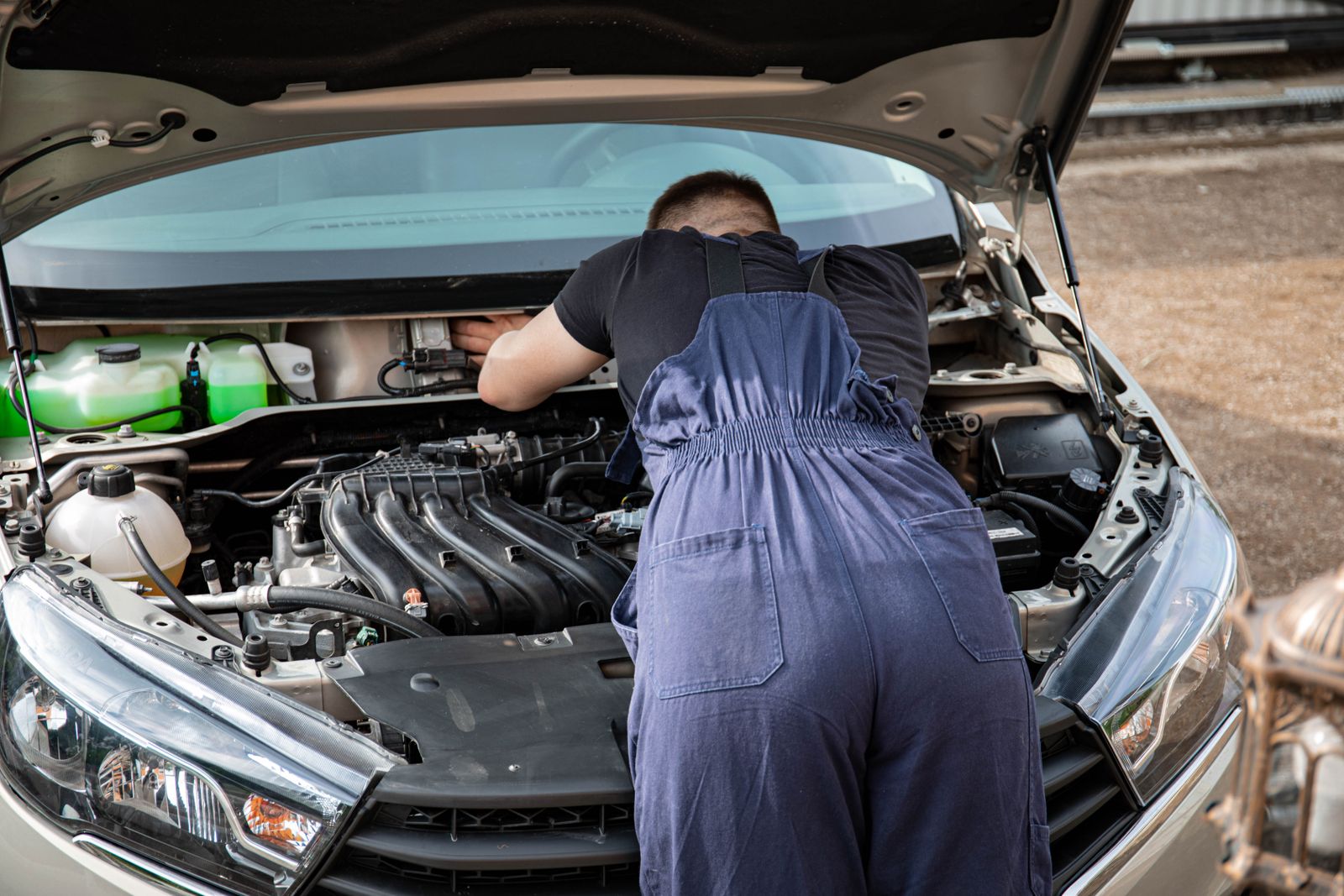
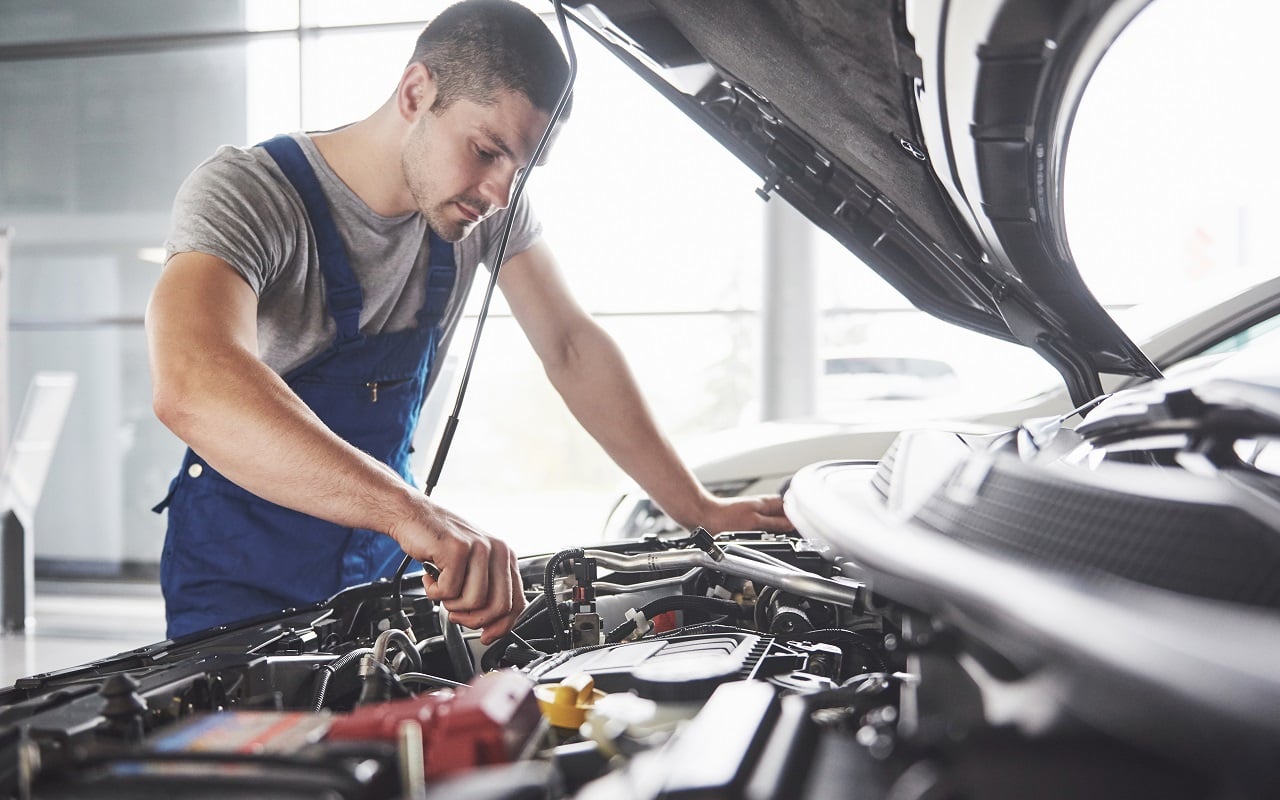
Photos in this guide are representative stock images.
← All guides from Burris Garage← Back to Burris Garage